


Fifty Penguin Years
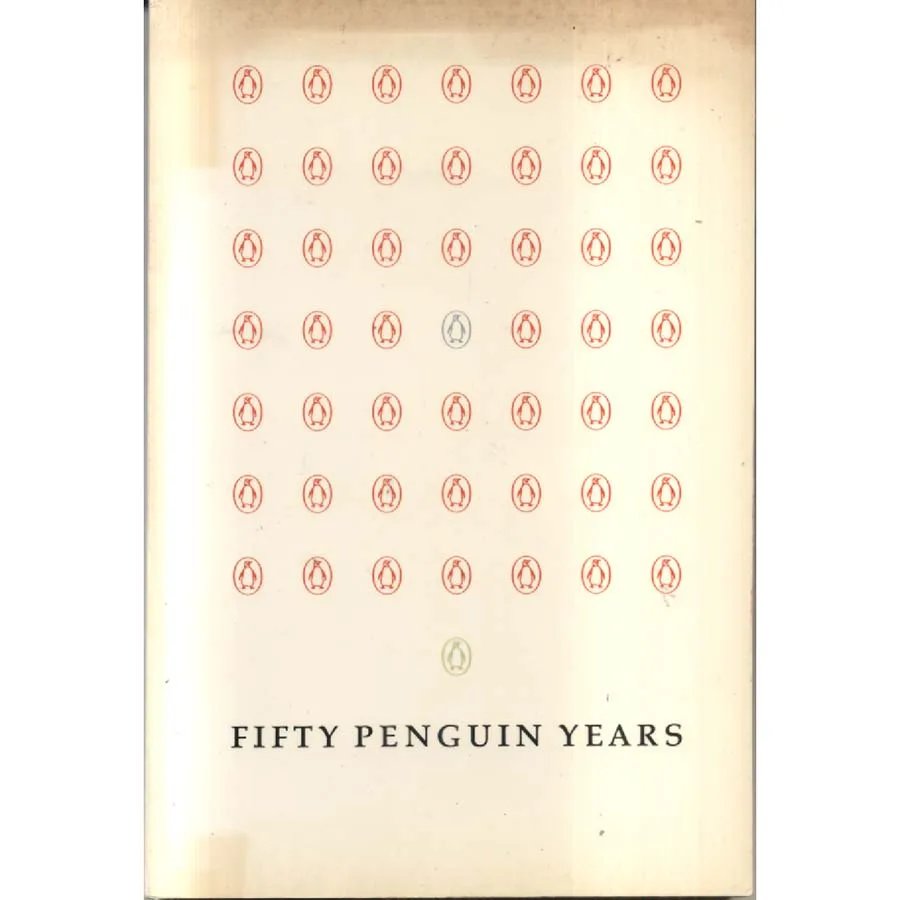
Publisher: Penguin Books
Format: Paperback
ISBN: 0140085890
There are publishing houses, and then there is Penguin Books, that strange orange-and-white republic responsible for introducing generations of Britons to Russian despair, French existentialism, obscure anthropology, left-wing economics, and at least three novels they bought because the cover made them feel intelligent on the train. Fifty Penguin Years by Malcolm Bradbury is less a history of a publisher than a guided tour through the intellectual attic of twentieth-century Britain, where paperbacks quietly staged a cultural coup while pretending merely to be affordable.
Bradbury approaches the story with exactly the right tone: affectionate, clever, faintly incredulous. Penguin’s achievement now seems almost absurdly ambitious in retrospect. The idea that ordinary people might wish to read serious literature, philosophy, politics and science for the price of a packet of cigarettes apparently struck someone in the 1930s as revolutionary. Today, of course, most people spend longer choosing a streaming thumbnail than early Penguin readers spent selecting between Dostoevsky and nuclear policy, but there was once a time when a cheap paperback genuinely carried the faint thrill of social progress.
The book wanders delightfully through decades of publishing optimism, literary fashions and national self-improvement. Here are earnest editors attempting to civilise the masses through typography. Here are famous writers becoming portable objects to be shoved into satchels, coat pockets and damp student bedsits. One begins to realise that half the British post-war intelligentsia was essentially assembled from tea, nicotine and slightly bent Penguin paperbacks collapsing gently in the rain at provincial railway stations.
Naturally, there is something wonderfully ironic about commemorating Penguin’s democratisation of literature in a book that itself eventually ends up in the ecosystem of second-hand bookselling, quietly awaiting rescue beside old gardening manuals, forgotten diet books and biographies of minor admirals. The cycle feels complete somehow. Penguin made books disposable enough for everyone to own, yet beloved enough that people still cannot quite throw them away fifty years later. Instead they migrate endlessly between shelves, charity shops, attics and people convinced they will “definitely read Proust this winter”.
As sold by Crappy Old Books, this copy is in Fair condition, which honestly feels entirely appropriate for a book celebrating the battered endurance of the paperback itself. One suspects a pristine copy would somehow miss the point. A little wear merely suggests it has participated properly in literary civilisation: opened too wide, carried too far, abandoned temporarily near radiators, and perhaps read by somebody determined to improve themselves before getting distracted by biscuits and television.
Keep browsing: See more History books Other books by Malcolm Bradbury
